Made to Measure
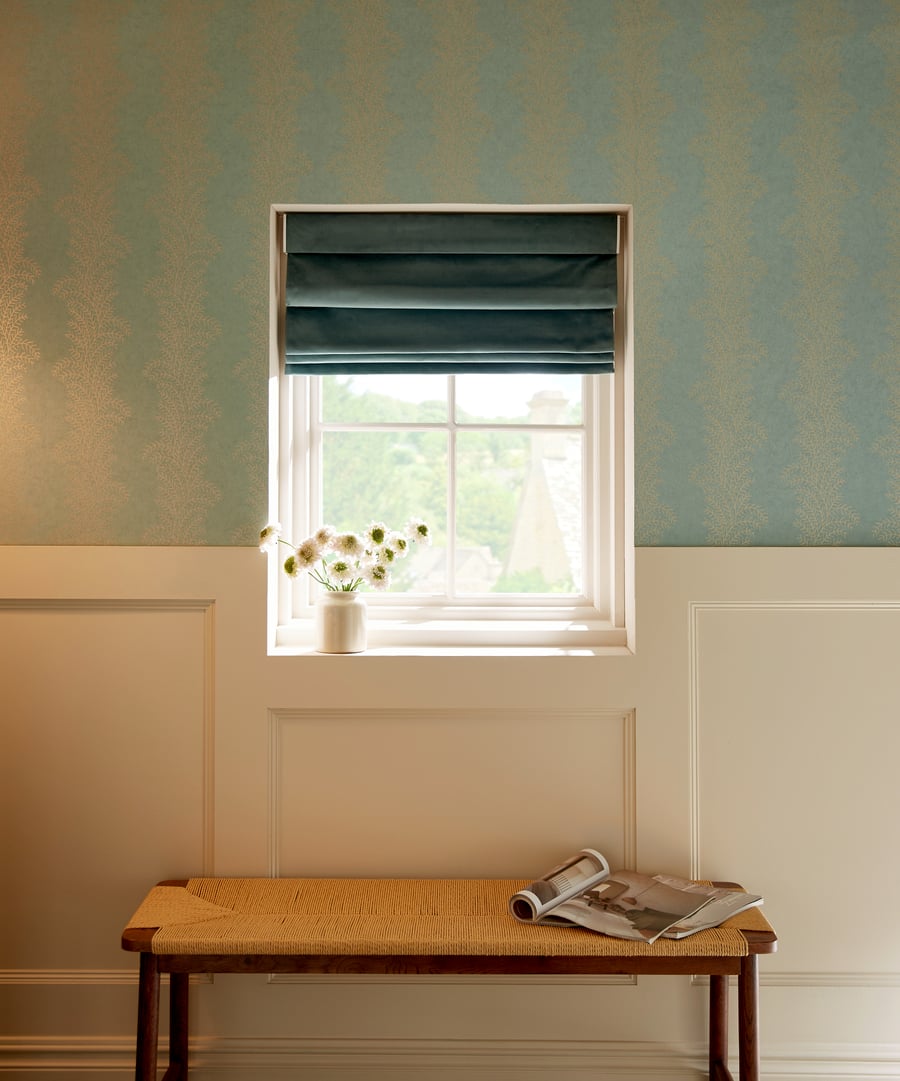
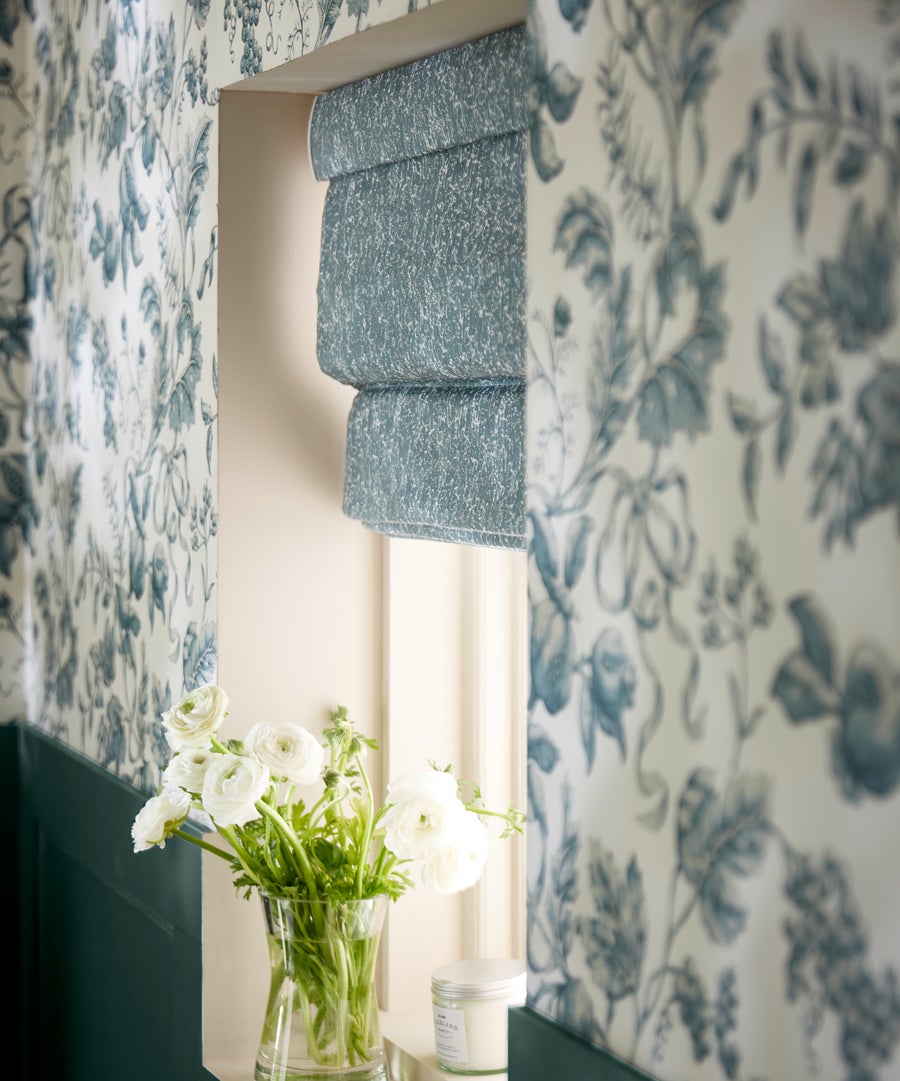
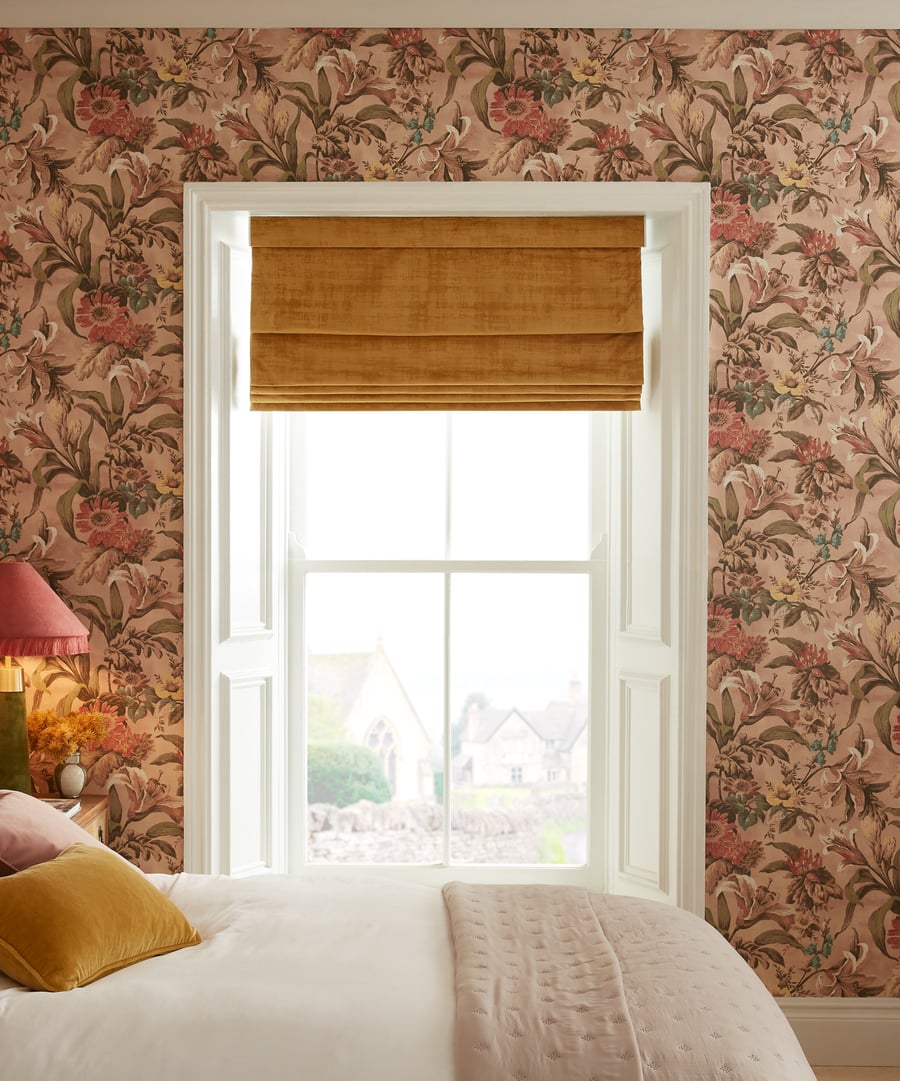
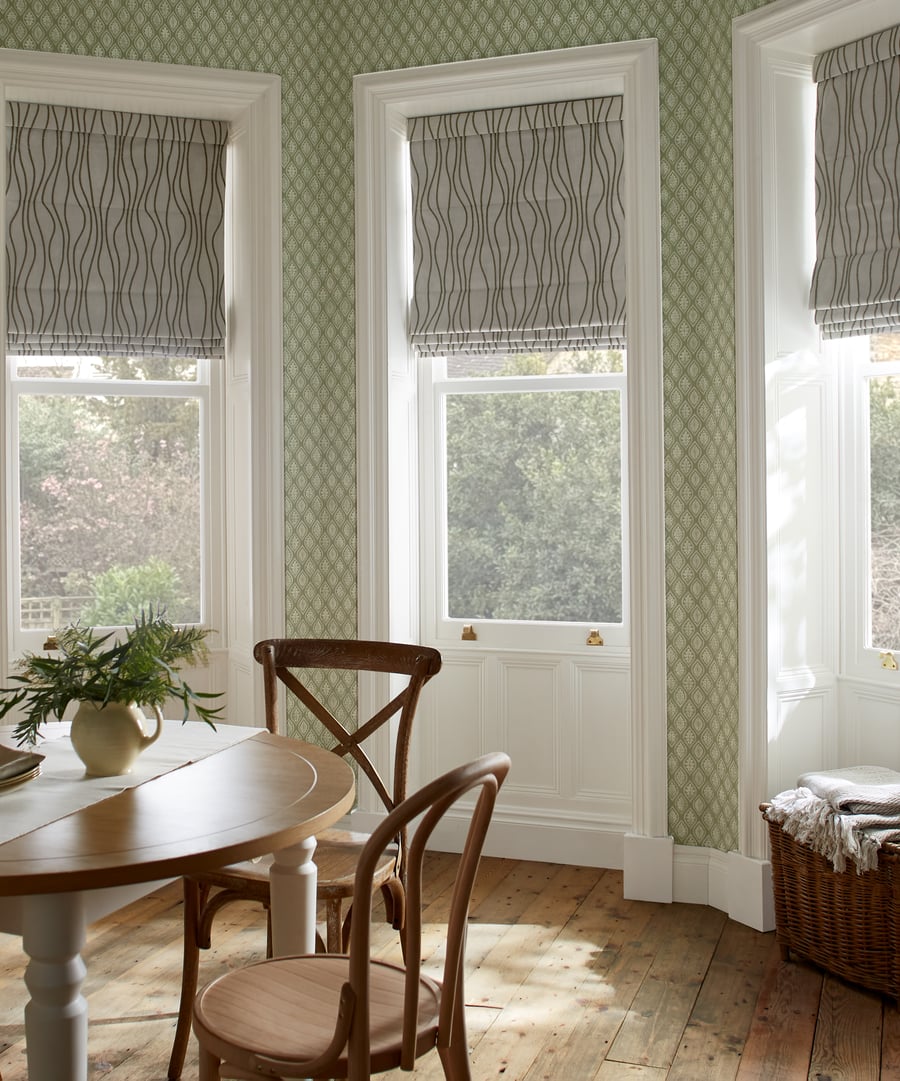
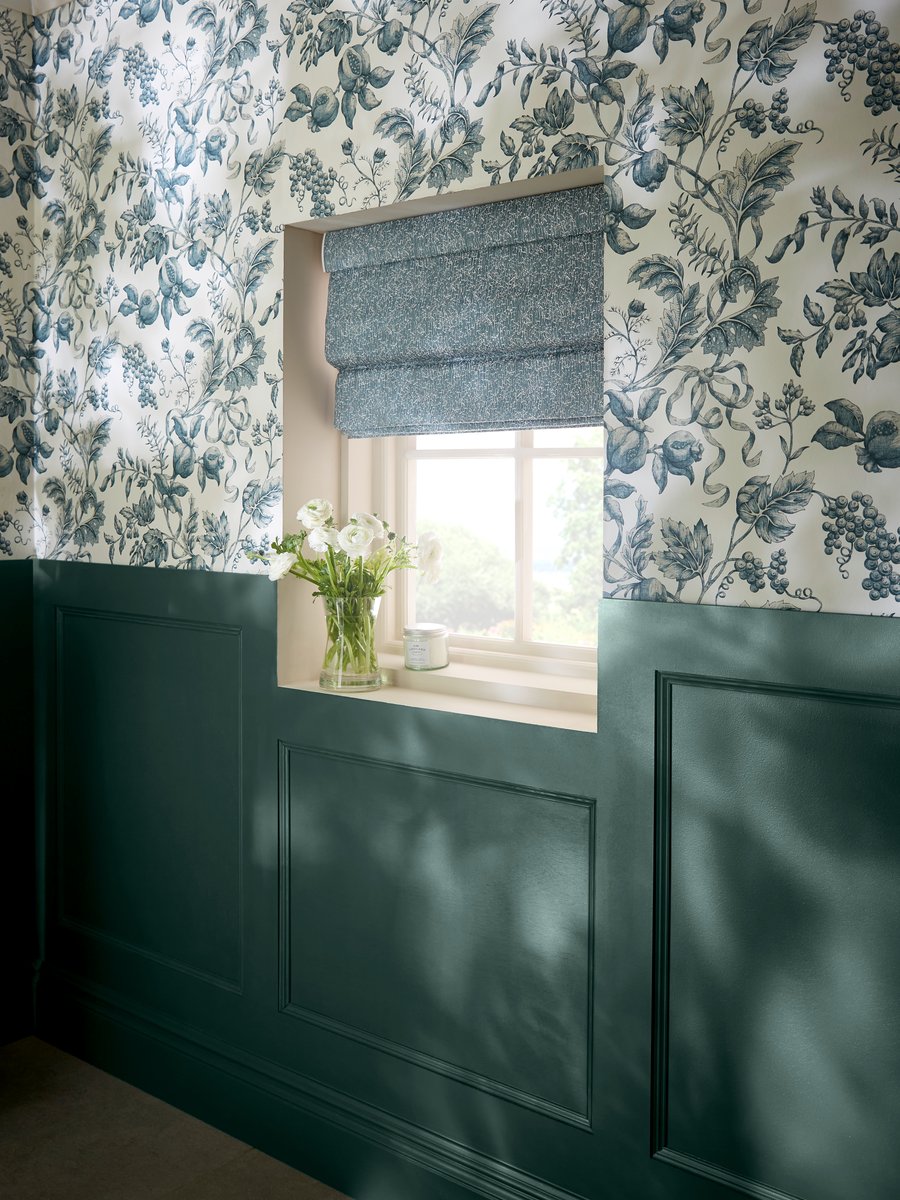
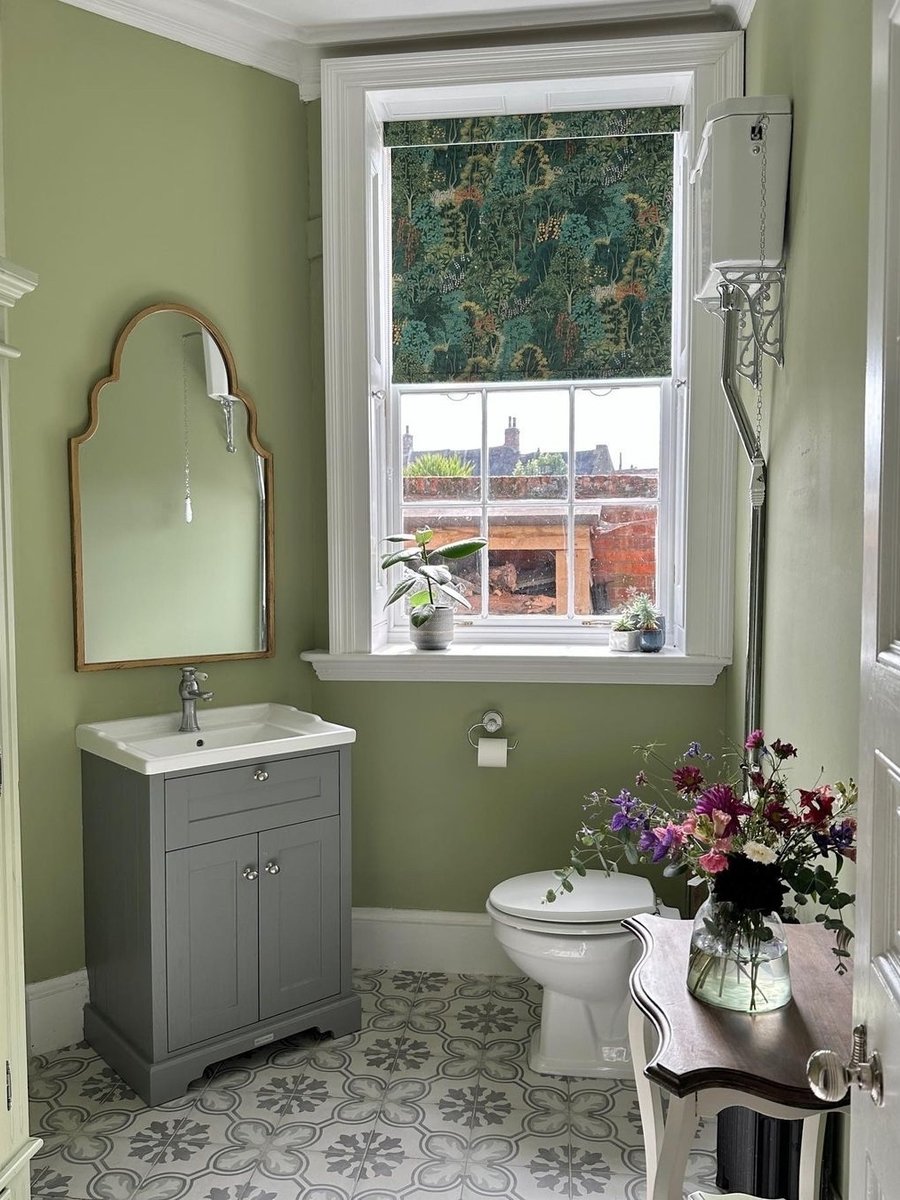
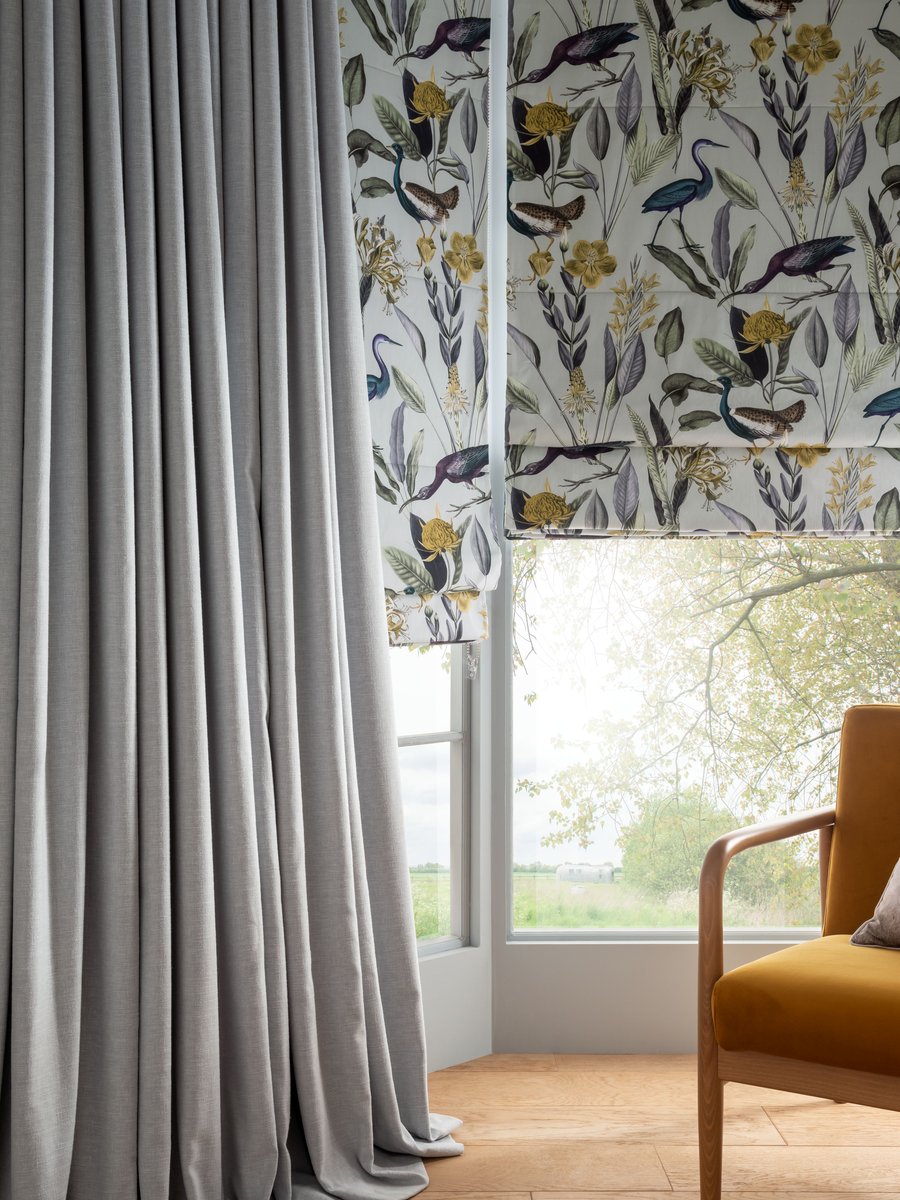
Window blinds can be an excellent alternative to curtains, especially in rooms where you want to be able to control the light. Roman blinds are great for privacy and can be the ideal choice for bedroom and living room windows.
Choose your Blind

At Graham & Brown, we sell two of the most popular types of blinds: roller blinds and roman blinds.
The difference between these blinds is the way in which they extend - roller blinds can be rolled and unrolled, whereas roman blinds fold upwards and downwards in pleats. They are also made from different fabrics. Roller blinds are made from Polyester which make them stiffer; they are available in Light Filtering and Blackout fabrics. Roman blinds are made from various materials and are available in a range of linings, including Blackout, Bonded, Lightweight and Satin.
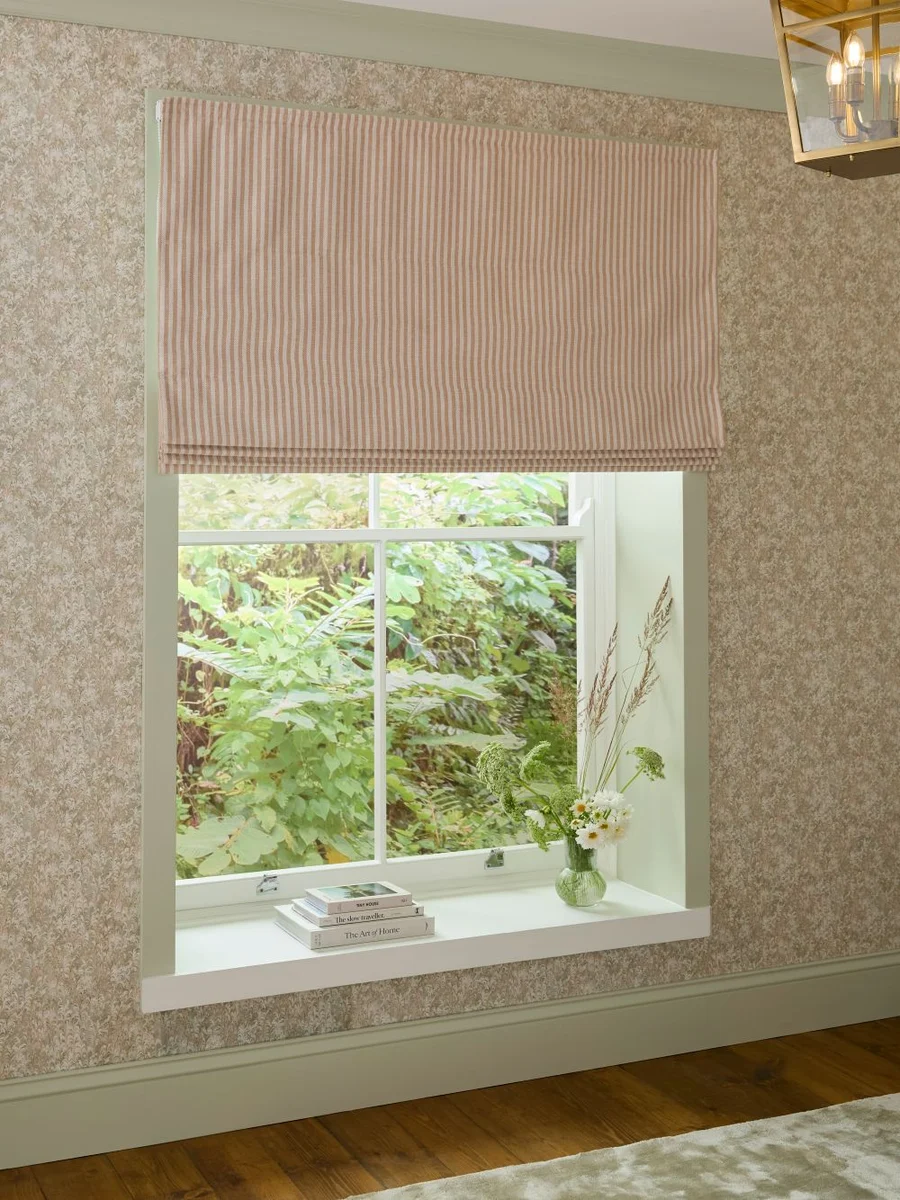
You can choose between two stacking finishes when ordering Roman blinds from Graham & Brown - the stacked finish, where fabric neatly stacks behind itself, and the waterfall finish, where the fabric cascades when in the open position.
Both our roller blinds and roman blinds use a pulley mechanism, operated by a chain.
Before you get started, decide if you will be fitting your blind inside or outside the window recess. A few things to consider are:
1. Is your recess deep enough to fit the headrail? (Refer to the table below
2. Are there any obstructions that will be in the way? E.g. window handles, ornaments or light fittings.
Roller Classic: 55mm
Roller Cassette: 80m
Roman Classic: 48mm
Roman Cassette: 80mm
Inside a Recess
1. Measure the internal width of your recess in three places; top, middle and bottom. Record the narrowest measurement, this is to ensure the blind can operate smoothly and won’t catch on the sides of your recess. If you have protruding tiles on the inside of your recess, often found in kitchens or bathrooms, measure between the tiles and record this as your width as it will be your narrowest measurement.
2. Measure the internal drop of your recess in three places; left, middle and right. Again, record your smallest measurement to ensure the blind can fully close without hitting your windowsill.
3. Input these measurements as a RECESS fitting type.
Deductions: please note these deductions are for reference only. We make all the necessary deductions in manufacturing, please do not make any deductions yourself as you will receive a blind that is too small.
For RECESS blinds, we deduct 1 – 1.2cm from the width and drop of the blind. This is to ensure the blind doesn’t catch the sides and sits just above the bottom of your recess once fitted.
Outside a Recess
1. Measure the width of your window in three places; top, middle and bottom. Record your widest measurement. Decide how much of the wall either side you want to be covered by your blind. Add this to the width measurement you recorded, and record this as your new width. E.g. If your widest measurement is 100cm and you want your blind to cover 20cm either side of the window, your new width measurement is 100+20+20=140cm.
2. Measure the drop of your window in three places; top, middle and bottom. Record the largest measurement. Decide how far above the window you would like the blind to be mounted.
a. If you have a protruding windowsill, we would recommend taking 1cm off your measurements to ensure the blind sits just above the sill when closed.
b. If you don’t have a protruding window sill, decide how far below the window you want your blind to sit when closed.
Example A: largest measurement is 100cm. You want to fit the blind 20cm above the window and you have a protruding windowsill. 100+20-1=119cm Drop.
Example B: largest measurement is 100cm. You want to fit the blind 20cm above the window, you don’t have a windowsill and want the blind to finish 10cm below the window. 100+20+10=130cm Drop.
Light Gaps
The Width measurement we request is the full width of the blind and not just the fabric, therefore there are gaps from the edge of the fabric to the edge of the headrail, this can cause some light leakage when the blind is fit in a recess.
Roller Blinds: ~2.5cm on the control end and ~2cm on the non-control end.
Cassette Roman Blinds: ~3mm on either side.
If your window has a deep recess, a blind will fit comfortably flush against the window whilst still leaving you room on the sill. However, if you have window handles or anything that protrudes on the inside of the window, you will need to leave a small space.
Deep recess - width measurement
Use a metal tape measure to measure the width of the inner recess. Take three measurements - one inside the recess at the top, one in the middle, and one along the inside of the sill at the bottom. Take the shortest measurement as your width. Please note that your width measurement quoted is the total product width including the mechanism.
Deep recess - drop measurement
For the length, or drop, again take three measurements - one down the right side, one down the middle, and one down the left. Take the shortest measurement as your drop and order your blind as a recess measurement. Graham & Brown will then make an allowance to ensure the blind fits into the recess.


If you don't have a window recess, or it is quite shallow, your blinds will need to hang outside the recess.
Shallow or no recess - width measurement
Use a metal tape measure to measure the width of the window from outside the recess and add 20cm to the result, to allow for a 10cm overlap on either side. Take three measurements - one across the top, one across the middle and one across the bottom. Use the largest measurement as your width. Please note that your width measurement quoted is the total product width including the mechanism.
Shallow or no recess - drop measurement
For the drop, measure from the top of the outside of your recess, down to as far as you'd like your blinds to hang. Add 10cm to this measurement and record the figure as your drop.
Not sure about blinds? Check out our guide to measuring your windows for curtains.
To create a perfect fit please follow the step-by-step guides:
1. Find the head rail depth of your chosen blind below.
Roller Classic: 55mm
Roller Cassette: 80mm
Roman Classic: 48mm
Roman Cassette: 80mm
Please note :
Note: If window handles protrude, take the measurement of the projection and add to each of the three measurements (if applicable).The trick to measuring angled bays is to make a template. Follow our step-by-step guide:
1. Find the head rail depth of your chosen blind below:
Roller Classic: 55cm
Roller Cassette: 80mm
Roman Classic: 48mm
Roman Cassette: 80mm
TIP! For both the width and drop measurements, measure in three places for each window. For the width, measure top, middle and bottom and for the drop measure left, middle and right. Your window might not be even, so always give us the smallest measurement.


Bring effortless style to every room with our range of plain roman and roller blinds. Choose from a wide mix of colours and finishes, from calming blues to purple and green shades that elevate any space.


Inspired by the outdoors, our leaf‑patterned blinds bring natural texture and colour into your home. Available in soft neutrals or vibrant shades, they’re designed to introduce fresh, uplifting tones to any room.


Express your style with our floral blinds. Whether you prefer elegant, traditional florals or contemporary ditsy and abstract designs, each pattern brings colour and character to your home.